Background and Origin
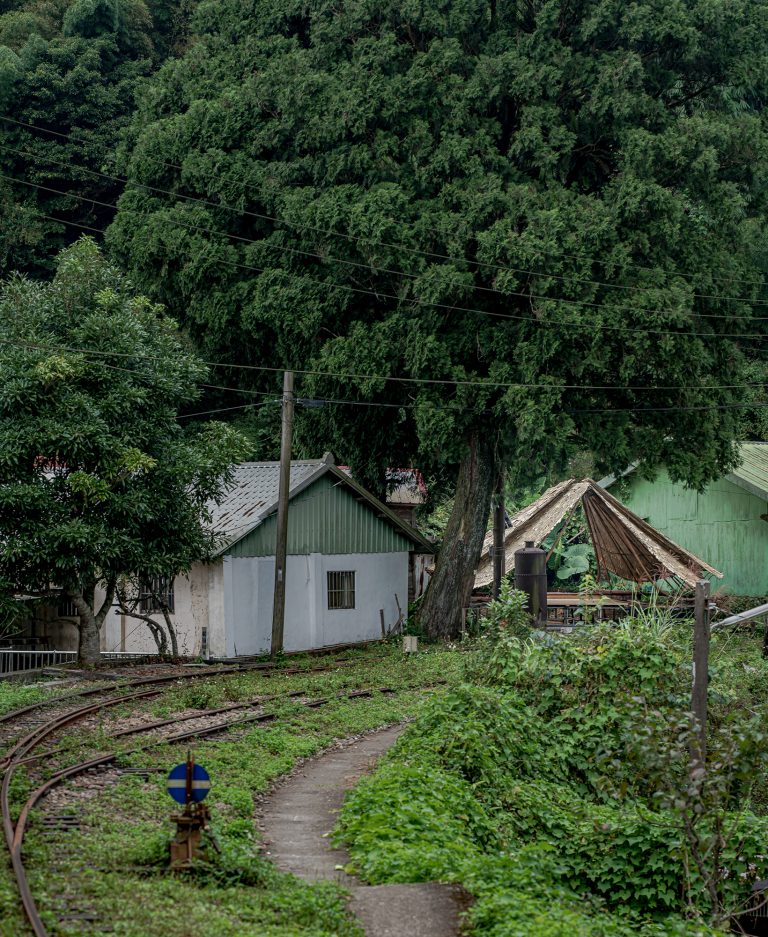
Zhukezhi Station, formerly known as Zhutouqi, is 127 meters above sea level and has been in operation since the 43rd year of Japan's Meiji era. Zhukezhi Station is the dividing point between the Alishan Forest Railway's flatland line and mountain line, and the Alishan forest train begins climbing the mountain after passing through Zhukezhi Station.
Before dieselization in the 1960s, trains going uphill needed to stop here for a period of time, so a total of seven tracks were built within the station for long-term parking of trains and steam locomotives.
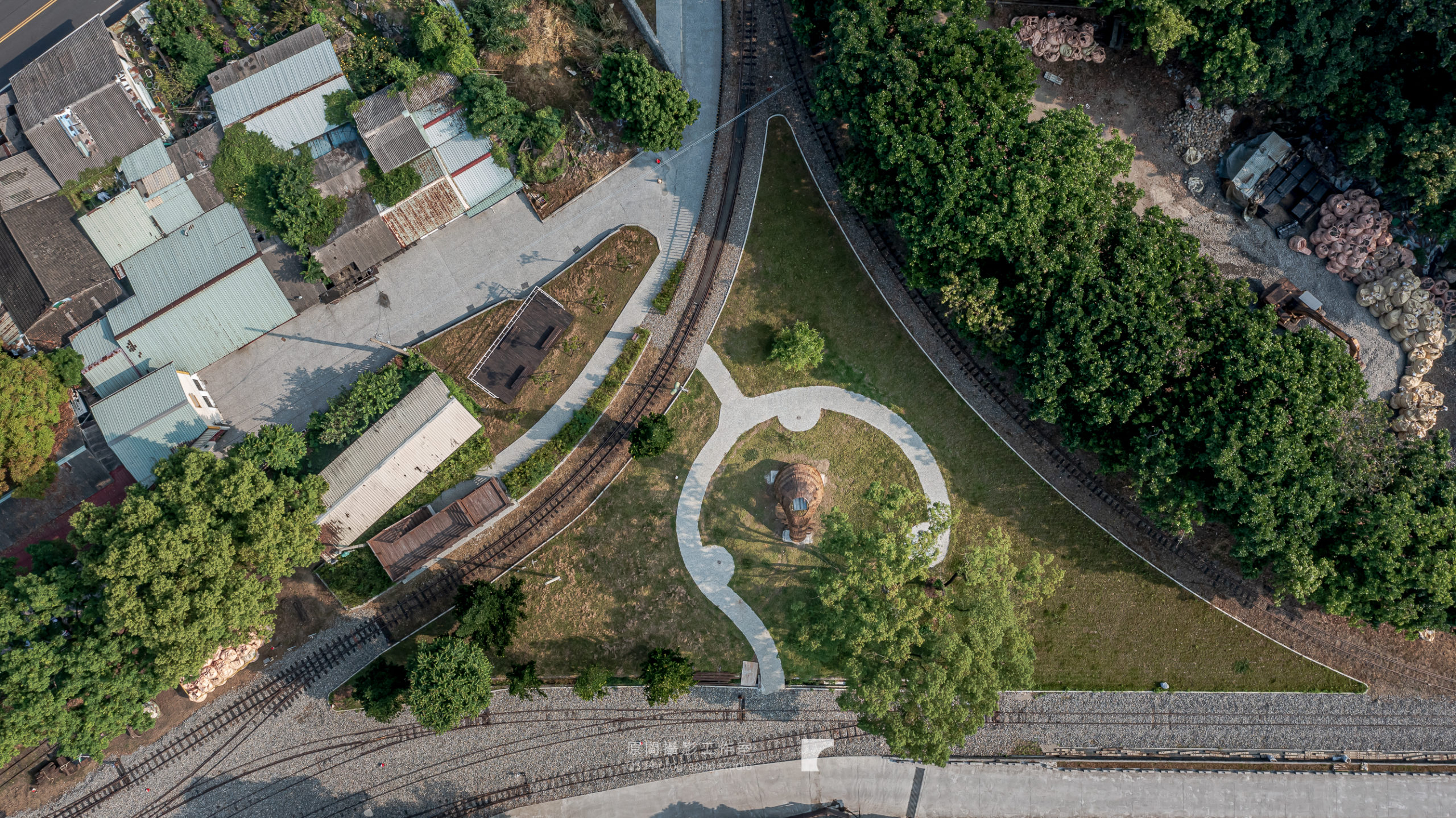
Because of this geographical location, the station features a special wye track structure, which allows the locomotive's position to be reversed from pulling at the front to pushing from the rear, and the 18-ton locomotives originally used on flat ground to be replaced with 28-ton locomotives to ensure safety when ascending the mountain. This structure can be said to be a symbol of the importance of Zhuqi Station.
/concept
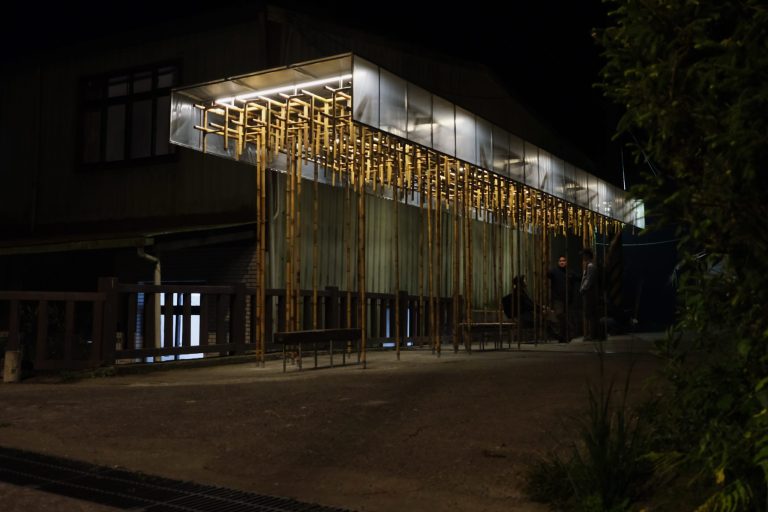
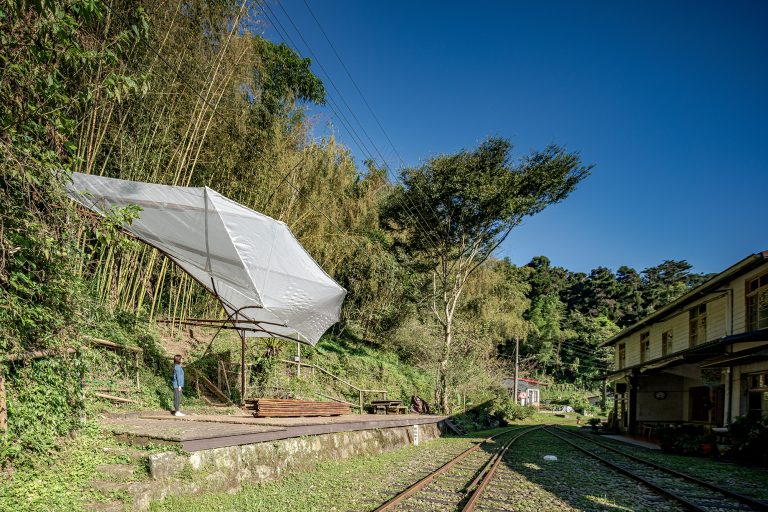
Before its development, Zhuqi was surrounded by bamboo forests, and people traveled through them to reach various destinations. When the wind blew, the swaying bamboo under the sunlight created a colorful array of intersecting bamboo shadows. For the local residents of Zhuqi, enjoying the visual experience of the bamboo forest and the changing shadows cast by the sunlight is a cherished shared memory. This work aims to recreate the dynamic movement of bamboo, the bamboo shadows, and the triangular line—a culturally significant background unique to the local area—by combining these three elements to complete this creation.
Method
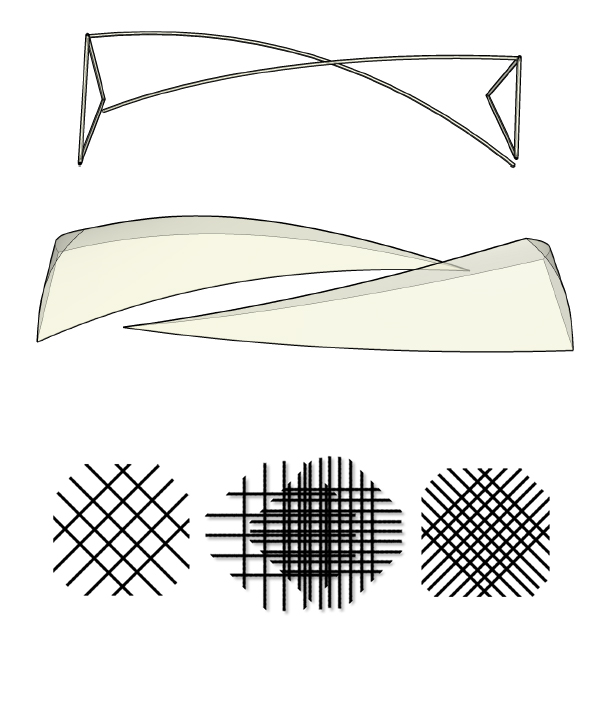
Morphological transformation—triangular pyramids converging centrally and staggered biphasically imply the converging trajectories of history.
Dynamic changes - Through the design of movable joints and tension structures, the internal and external primary and secondary structures present a sense of instability under a static state.
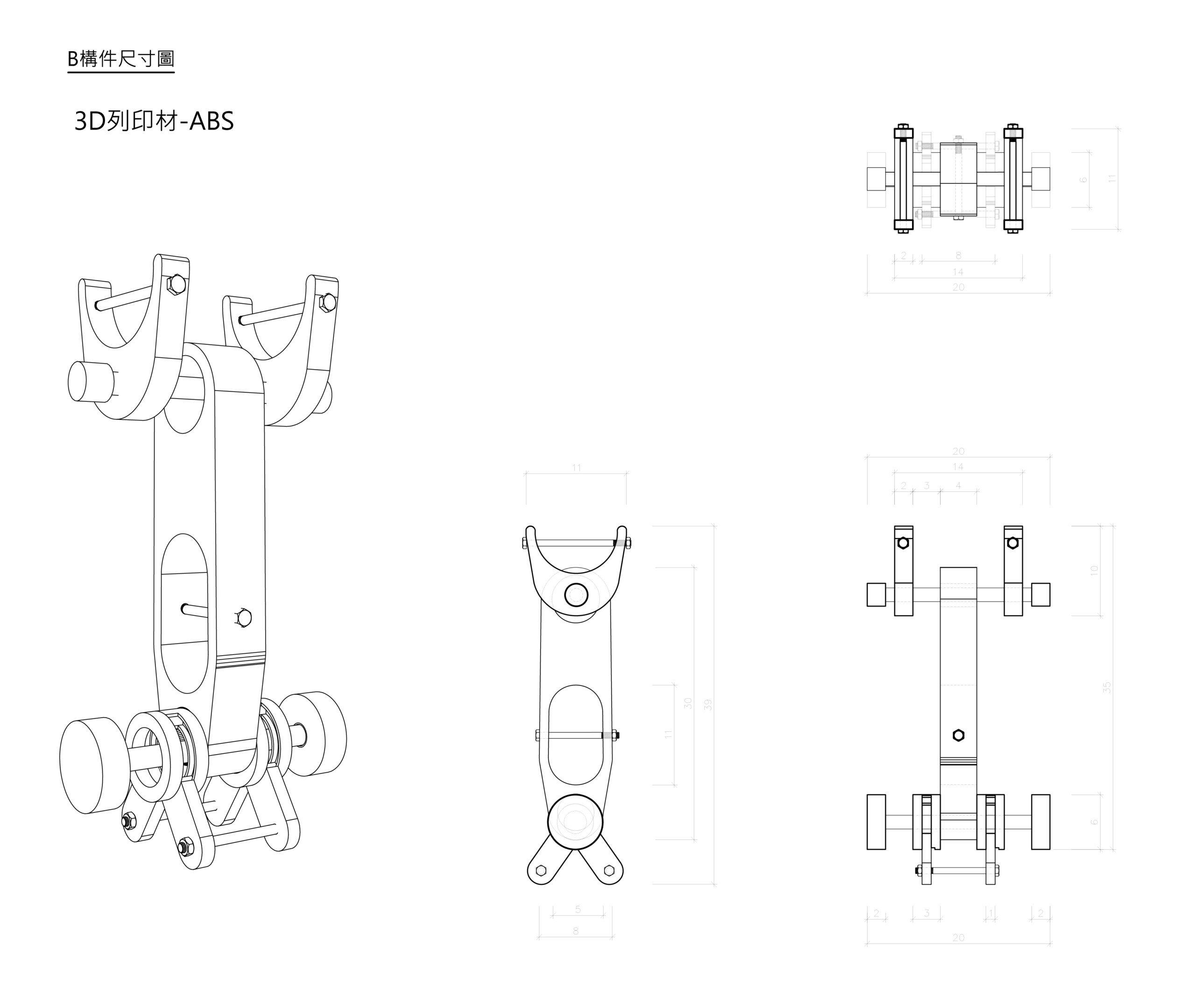
Structural Innovation - Adapting to the varying diameters of natural bamboo through customized 3D printing to create dynamic joints under digital fabrication.
Light and Shadow Variations: The size of the gaps in the bamboo forest filters the sunlight to cast mottled shadows, creating variations of light and shadow between the interior and exterior structures.
History
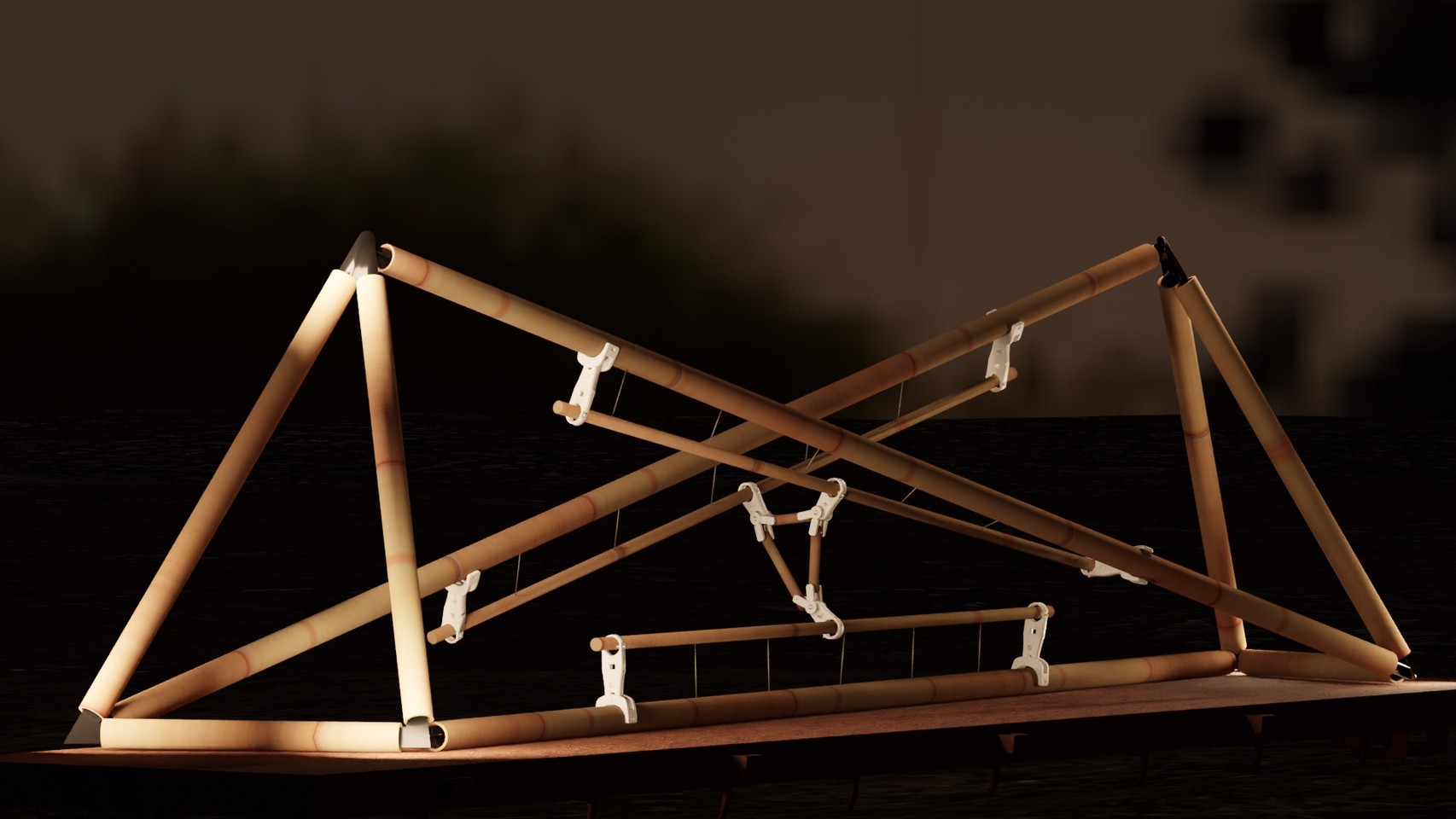
Visiting Zhuchi Station gives a strong impression of its geographical environment. The historical station architecture and systematic track layout create a sharp contrast between the bustling operations of the past and the current atmosphere of leisure and tourism. Therefore, from the conception of the prototype model, it was intended to use intersecting structural forms and misplaced inner and outer sub-structures to express this sense of conflict. In addition to conveying the structural form, the overall installation planning experimented with digital manufacturing processes—including 3D scanning and 3D printing—during the simulation of dynamic effects. By utilizing customized flexible components, it presented a different appearance from traditional bamboo construction methods such as bamboo nails or rope binding, showcasing a flexible assembly method that adapts to the natural growth of bamboo and creating new possibilities for bamboo creative forms.


3D Simulation



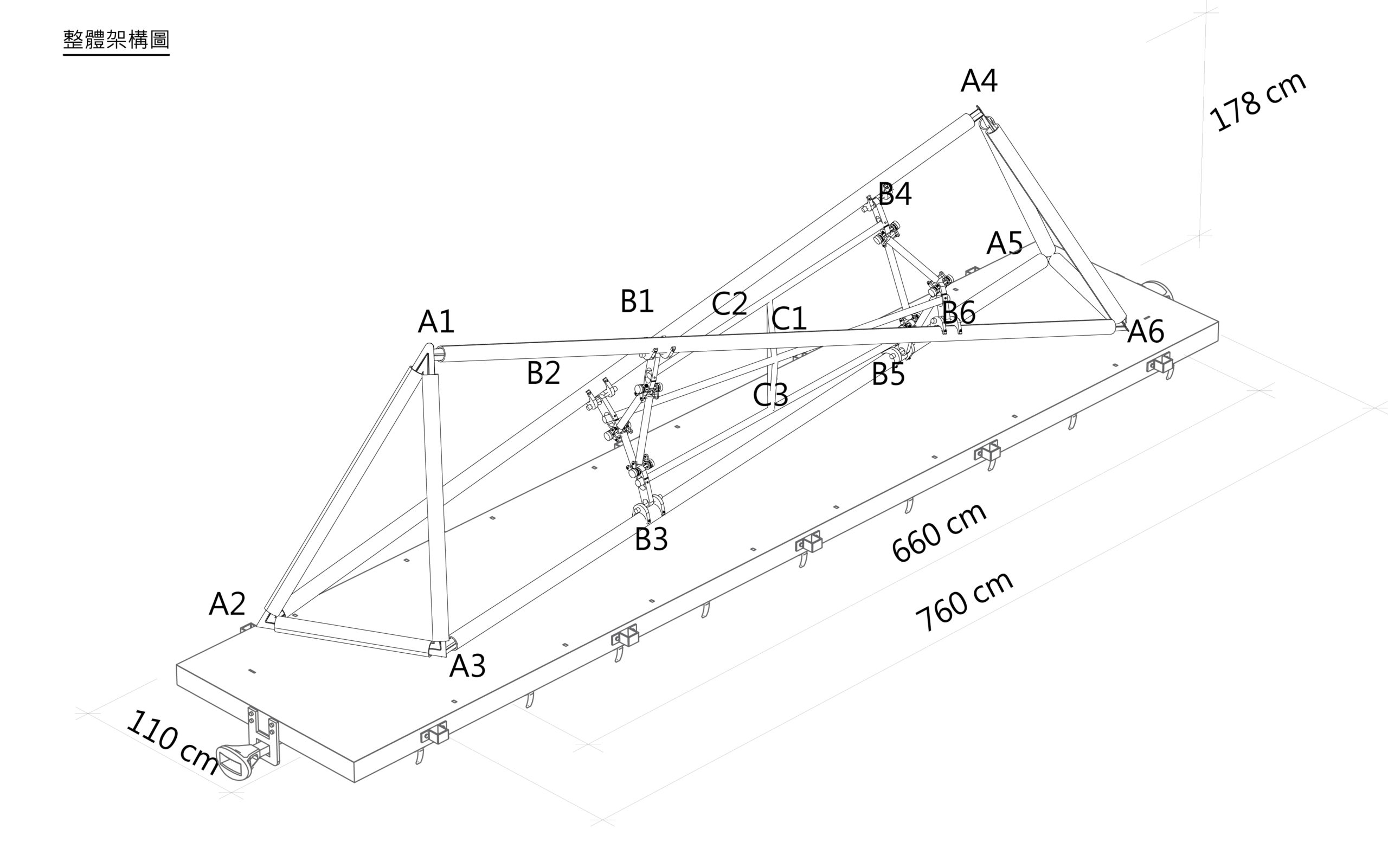
Construction drawing
/Size
7.6*1.1*1.8
Material
Moso bamboo, Phyllostachys edulis, 3D printing resin connectors
/Team
Advisors: Chun-Yu Hsieh, Wen-Wei Wang
Design and Construction Team: Gu Shao-Wei, Cheng Min-Zhen, Kuo Xiu-Wei, She Wan-Ning, Li Jia-Ying, Wu Jia-Yan, Qin Zi-Ang