About Us
Origins
Taiwan's unique topographical and climatic conditions have nurtured hundreds of species of bamboo. Building upon hundreds of years of cultural and artistic heritage left by early settlers, along with continuous investments in research and innovation from both the public and private sectors, Taiwan's bamboo industry maintains a significant competitive edge and potential.
In early February 2012, Mr. Gunter Pauli, founder of The Blue Economy and the Zero Emission Research Initiative (ZERI), along with authors of works such as Gunter’s Fables, was invited by the Yunlin Storyteller Association to hold seminars in Taiwan, where he shared the process of constructing the world's largest bamboo building in Germany in 2000.
Inspired by this, eight of the association's founders traveled to Belgium to attend the World Bamboo Congress for study and observation. They discovered that, aside from Taiwan, numerous bamboo scholars, experts, and enthusiasts around the globe remain dedicated to the cultivation, research, and diverse applications of bamboo. To enable Taiwan to fully utilize its bamboo resources, broaden its comprehensive perspective, and connect with the international community, Taiwan Bamboo Society was established on August 18, 2013, convened by Wu Shun-chao, a professor in the Department of Forestry at National Taiwan University.

What we are doing
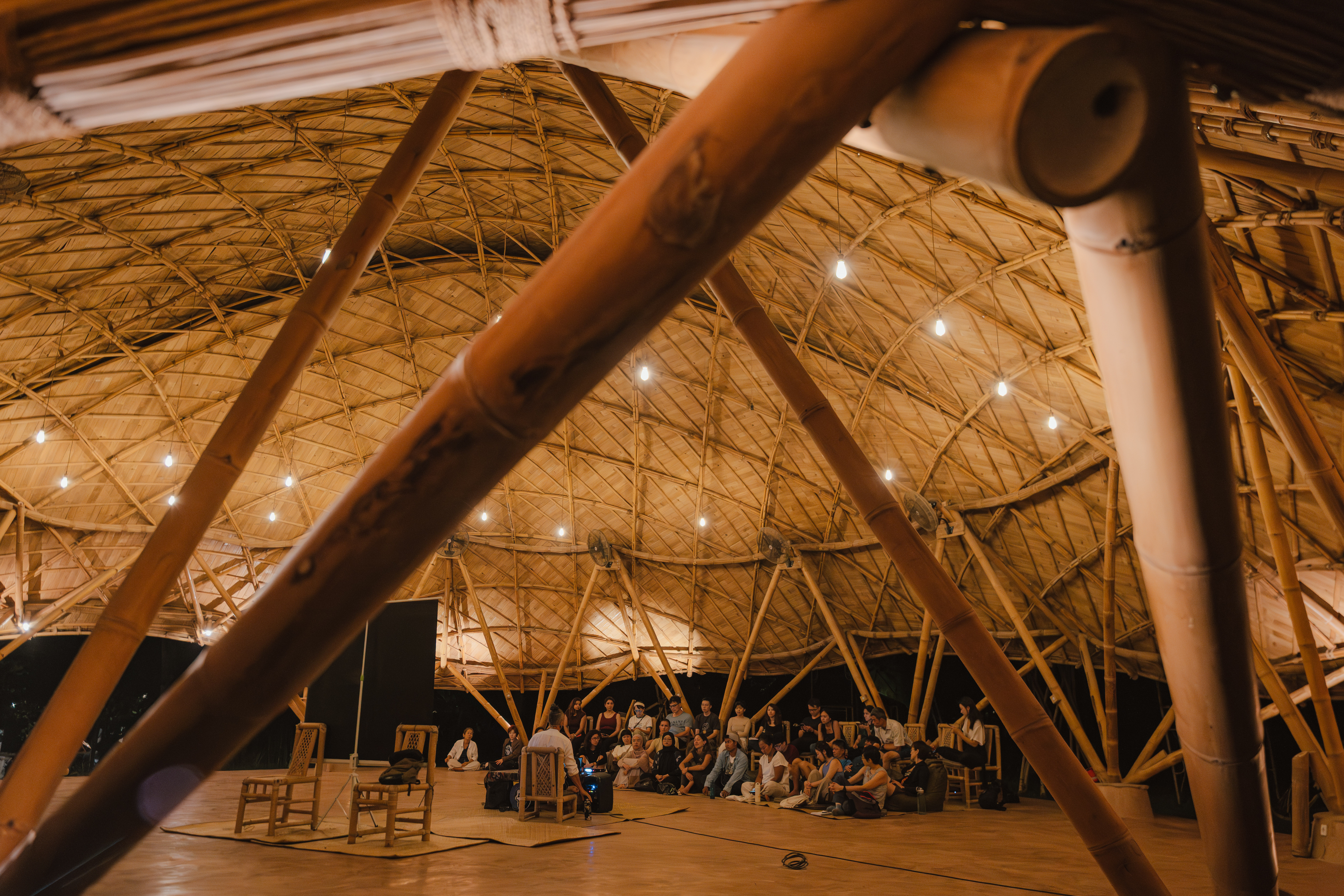
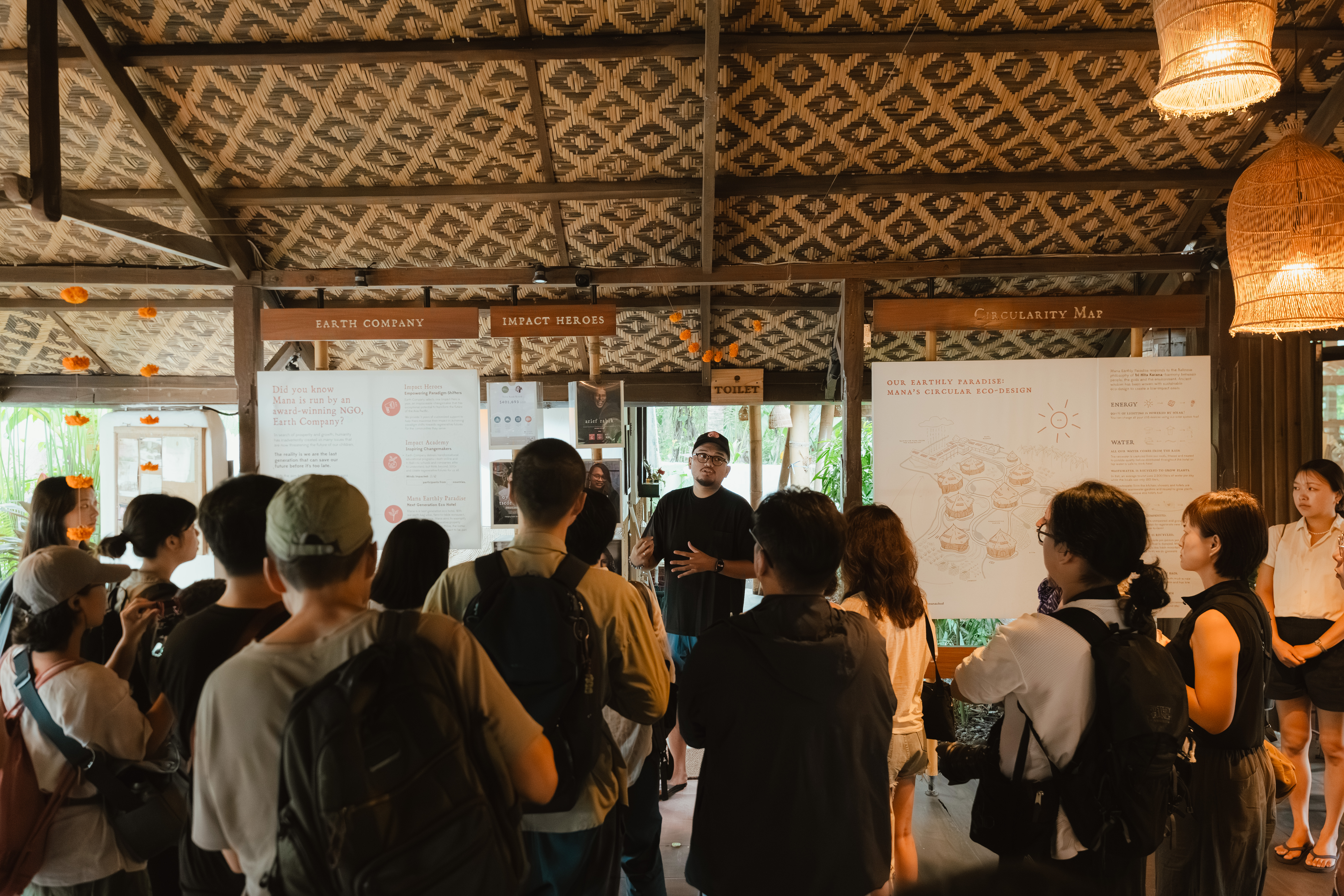
As a national non-profit organization, Taiwan Bamboo Society aims to serve as a platform for domestic and international bamboo industry exchanges. Through information, technology, culture, education, and promotion within the global green economy, it seeks to stimulate domestic industry development via international exchange. By doing so, it aims to make the new-generation bamboo industry chain the core of cultural heritage transmission and innovative knowledge and technology, thereby revitalizing Taiwan's bamboo industry.
Our members
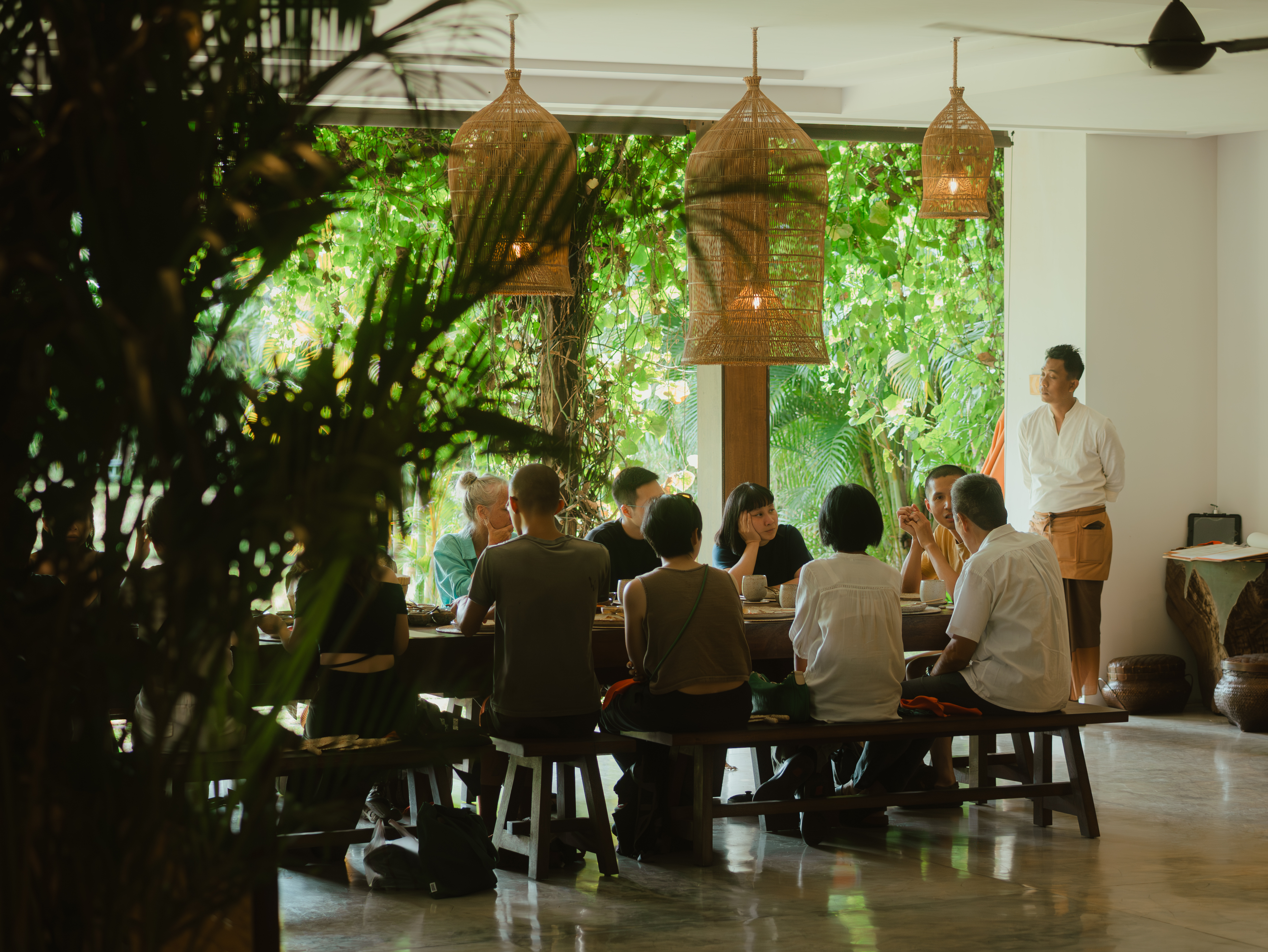
Currently, the members encompass four major categories: "Bamboo Cultivation and Management," "Bamboo Research and Education," "Bamboo Processing and Craft," and "Bamboo Architecture, Engineering, and Landscape." The membership includes researchers, professionals in bamboo architecture and engineering, bamboo artisans, and experts in bamboo seedling cultivation from industry, government, the public sector, and academia. All are dedicated to basic research, practical application, as well as the promotion of bamboo culture and education regarding Taiwan's native bamboo materials. The association aims to revitalize Taiwan's bamboo industry economy and ensure the sustainable development of bamboo forests, while sharing bamboo R&D technology internationally to foster transnational and cross-disciplinary cooperation and development.


Future Outlook
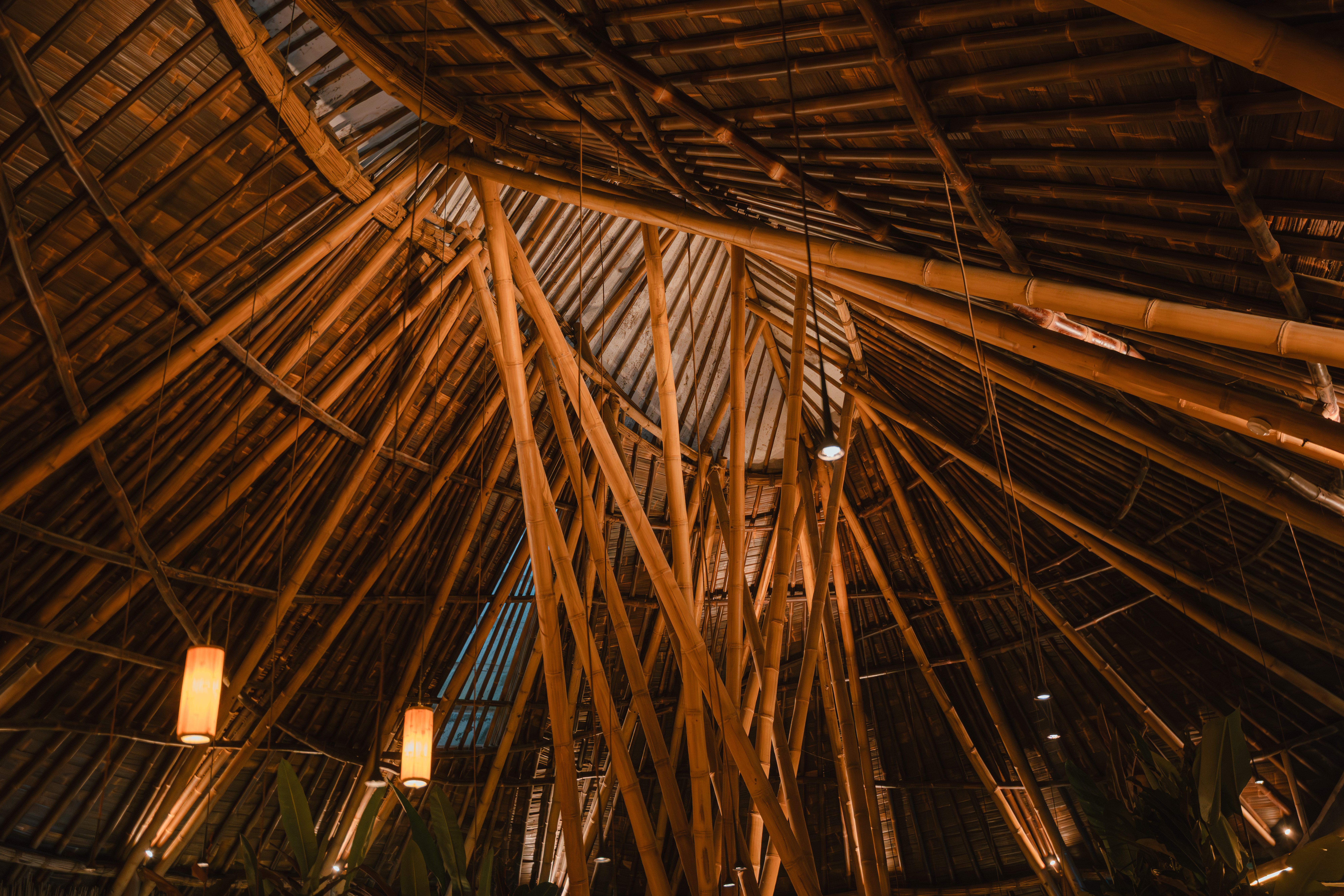
Bamboo is gradually becoming a popular medium in the global green economy, and the market in European and American countries that do not produce bamboo is also expanding. The annual output value of the bamboo industry has exceeded 1.5 billion US dollars. Bamboo is an internationally recognized environmental solution used to alleviate poverty and improve water and sanitation management. It plays an important role in global sustainability goals, aligning with the United Nations Sustainable Development Goals (SDGs). Taiwan Bamboo Society hopes to connect Taiwanese and international resources, expand domestically and internationally, train technologies in various places, create jobs, foster cooperation, cultivate a circular economy industry centered on bamboo, increase carbon dioxide sequestration, and establish sustainably managed bamboo forests.

12th World Bamboo Congress
Taiwan Bamboo Society began bidding for the hosting rights of the 12th World Bamboo Congress in 2017. Following the challenges of the global pandemic, it was finally confirmed in 2022 that Taiwan would still host the event. The World Bamboo Congress held in April 2024 allowed international professionals in the bamboo industry to experience Taiwan's bamboo industry and culture, while further expanding the horizons and investment opportunities of Taiwan's domestic bamboo industry.