
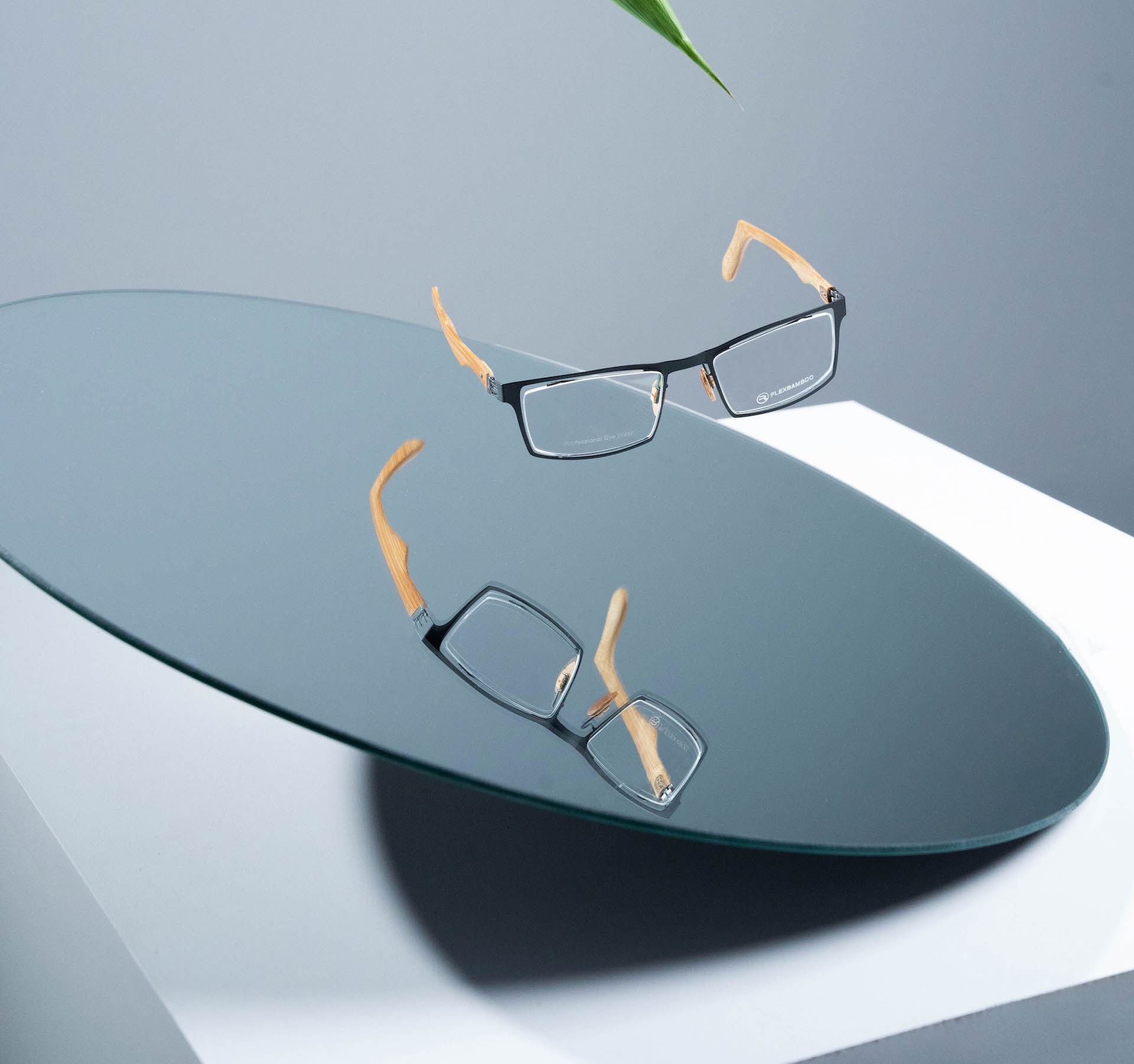
Feizhu Eyewear
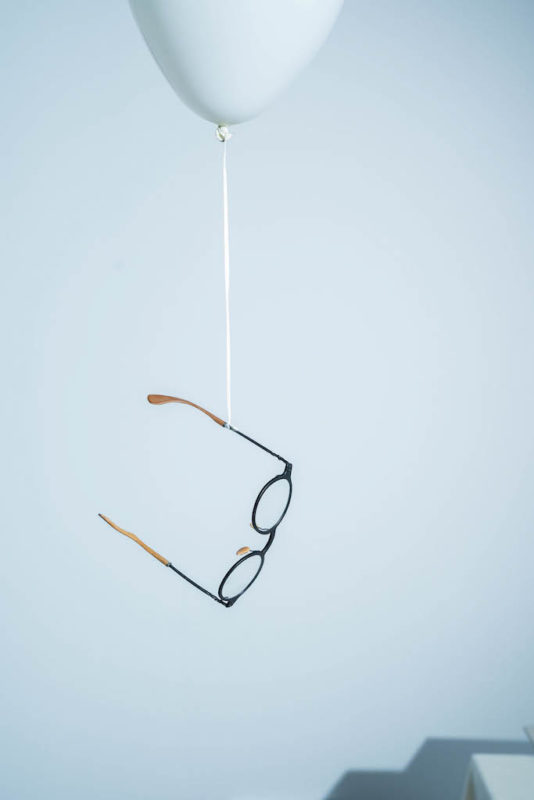
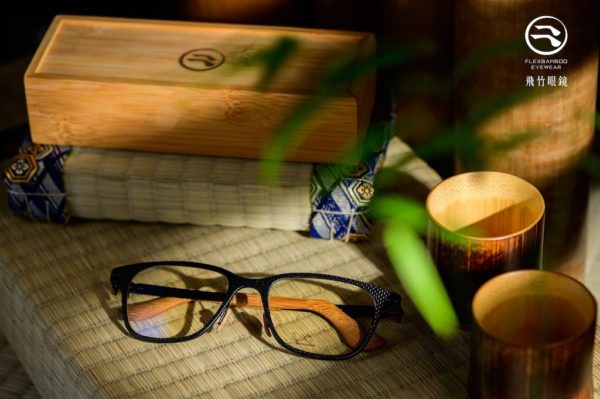
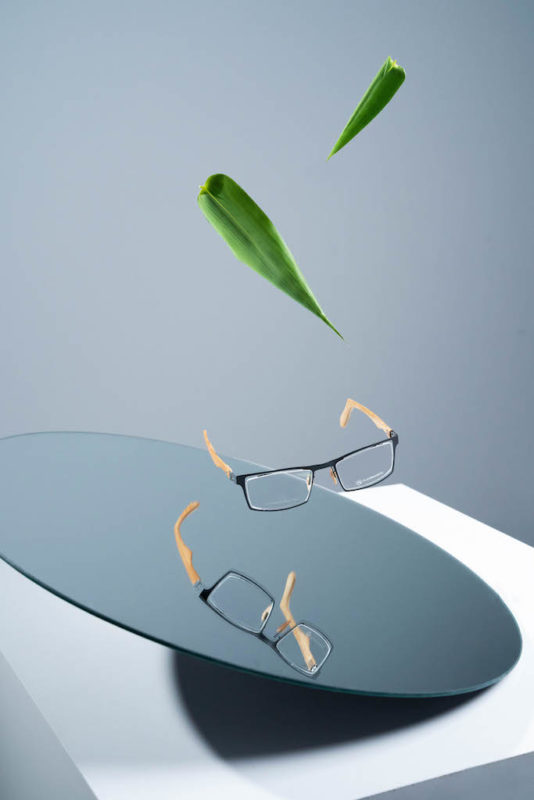
Among many natural materials, we found that the toughness and density of bamboo are best suited for prolonged wear, and it even conforms better to the shape of the face with daily use. Therefore, bamboo has become the soul of Feizhu Eyewear.
Instead of solving the customer's problems, start by solving your own.
Behind a calm and warm voice, he uses his thick, sturdy hands to carve and pare bamboo, allowing the thin bamboo skin to adjust to everyone's head circumference and ear height, letting the grain of the bamboo conform and blend into the skin. Such meticulous craftsmanship on eyewear by a grown man is simply because he is himself a high-end consumer of glasses.
Bamboo glasses developed for personal needs
He is Liu Chang-fei, a former computer engineer who loves playing sports and ventured into the bamboo industry after suffering from the annoyance of slipping glasses.
I have dry eyes myself and can't wear contact lenses, and I love playing sports, so my glasses kept falling off—but when I went to optical shops to ask for non-slip glasses, they only ever offered me glasses straps.
Later on, I started wondering, what material actually works better to prevent glasses from slipping?
After constant experimentation, bamboo unexpectedly became the most comfortable eyewear material he had ever worn, as well as the most suitable for sports and concentration. However, Taiwan has dozens of species of bamboo in total, each with its own characteristics. For Chang-fei, figuring out which specific bamboo to use for making glasses remained a tortuous learning process filled with trial and error.
"Right at the beginning, it was actually green bamboo; you can find it everywhere in the countryside." Living in Yangmei District, Taoyuan City, Chang Fei started experimenting with the bamboo grove in his backyard, harvesting the bamboo himself and carving the temple arms for glasses.
The first bamboo species tried was the green bamboo, valued for its high economic value as shoots. That juicy deliciousness comes from the sweetness of starch and the moisture infiltrating it, but these very advantages of green bamboo as a food made it prone to insect infestation and decay when applied to eyewear, leading to its elimination as a pioneer.
Not discouraged by the failure of green bamboo and understanding that there are various differences among bamboo species, Chang-fei then turned to thorny bamboo. Later, finding that thorny bamboo had a rougher texture and was less comfortable to wear, he began to consider which bamboo species the bamboo industry traditionally used for making bamboo utensils. This led him to Moso bamboo and Makino bamboo, ultimately choosing Makino bamboo, which is lightweight, has thick skin, thin flesh, and a warm texture.
Lightweight, slip-resistant, and hypoallergenic, keeping customers coming back for more.
Basically, bamboo glasses are actually a high-end niche product. Currently, Fei Bamboo Glasses' main customers are professionals who must concentrate while working and cannot touch their faces with their hands. In addition to surgeons, many auto mechanics, chefs, and athletes go out of their way to custom-order bamboo glasses. Surgeons, bakers, and others need to be very focused in their work, so they must prevent slipping; because when a doctor is performing surgery and their glasses slide down, it's impossible to push them back up.
Because bamboo has a special grain, it can fit closely against the scalp to create corresponding friction. No matter how hard you shake your head, it won't fall off. In contrast, metal and plastic glasses easily slide off after sweating and also pose allergy issues. "In fact, being trapped by sweat easily causes allergies, and many people are already allergic to metal in the first place."
Bamboo is natural, so it won't.
Changfei explains from the perspective of usage scenarios why customers keep coming back to order a second or even a third pair of bamboo glasses: bamboo is naturally skin-friendly, requiring only a light waxing without any extra coating, allowing it to conform comfortably to human skin without causing allergic reactions.
Besides that, being a natural material as well, bamboo has an advantage that wood cannot match — it is both lightweight and resilient.
Wood actually lacks the toughness of bamboo because their fiber arrangement is different, and wood is very thick and heavy.
However, Moso bamboo only requires the fibers near the bamboo skin to be lightweight, sweat-absorbent, elastic, and tough.
Leveraging Taiwan's bamboo industry technology, Flying Bamboo hopes the market will gain a better understanding of bamboo materials
Many consumers originally chose bamboo glasses out of a preference for natural fibers and mainstream wooden aesthetics. However, after trying them, they were pleasantly surprised to find that, in addition to their natural texture, bamboo glasses offer advantages such as being lightweight and having moisture-absorbing and moisture-wicking properties, gradually turning them into loyal customers who repeatedly order and purchase them.
The repurchase rate for bamboo glasses is so high, so I thought, can we increase consumers' awareness of bamboo through bamboo glasses?
For example, in the process of promoting bamboo glasses, Chang Fei still frequently encounters the most common consumer stereotype about bamboo material: "Many people still worry about the issue of mold." However, he explains that the bamboo industry has long since overcome the problem of bamboo being prone to mold, using "heating methods, pressure methods, and many other approaches." "Moreover, glasses are worn every day, so they are not prone to mold; bamboo itself has moisture-regulating capabilities, and wearing them daily ensures they dry immediately."
Currently, Feizhu Eyewear uses high-mountain sweet bamboo sourced from the Maliguang Waterfall area in Jianshi Township, Hsinchu County. The bamboo undergoes heat treatment at 150 degrees Celsius and 1.5 atmospheres of pressure to remove starch. Once heat-treated, the bamboo is relatively resistant to decay and bacteria. Whenever discussing the progress of Taiwan's bamboo industry technology development, Chang-fei himself is filled with endless amazement.
Since founding the bamboo eyewear brand Fuzhuku in 2013, Chang-Fei has been exploring Taiwan's bamboo industry with a humble approach. In addition to his self-made entrepreneurship and relentless dedication to studying the characteristics of bamboo, he has continuously received assistance from the industrial, governmental, academic, and artistic sectors. Today, not only does he hope to expand his own business, but with the collaboration of organizations such as the Forestry Bureau and the Industrial Technology Research Institute, he also aspires to be a part of the bamboo industry team, helping Taiwan's bamboo to be better understood.
Every year, the Forestry Bureau invites me to the forest market, and when they see me, they ask with concern, "Are you still alive?"
Although he has received help from various sectors along the way, Chang-fei still smiled and said, "Actually, I really have to thank the natural characteristics of bamboo itself. It has made this brand proud; customers introduce other customers to us, and it quietly survived on its own."