
Marcello
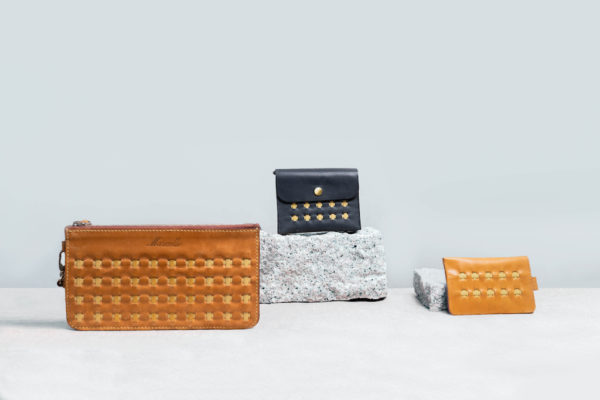
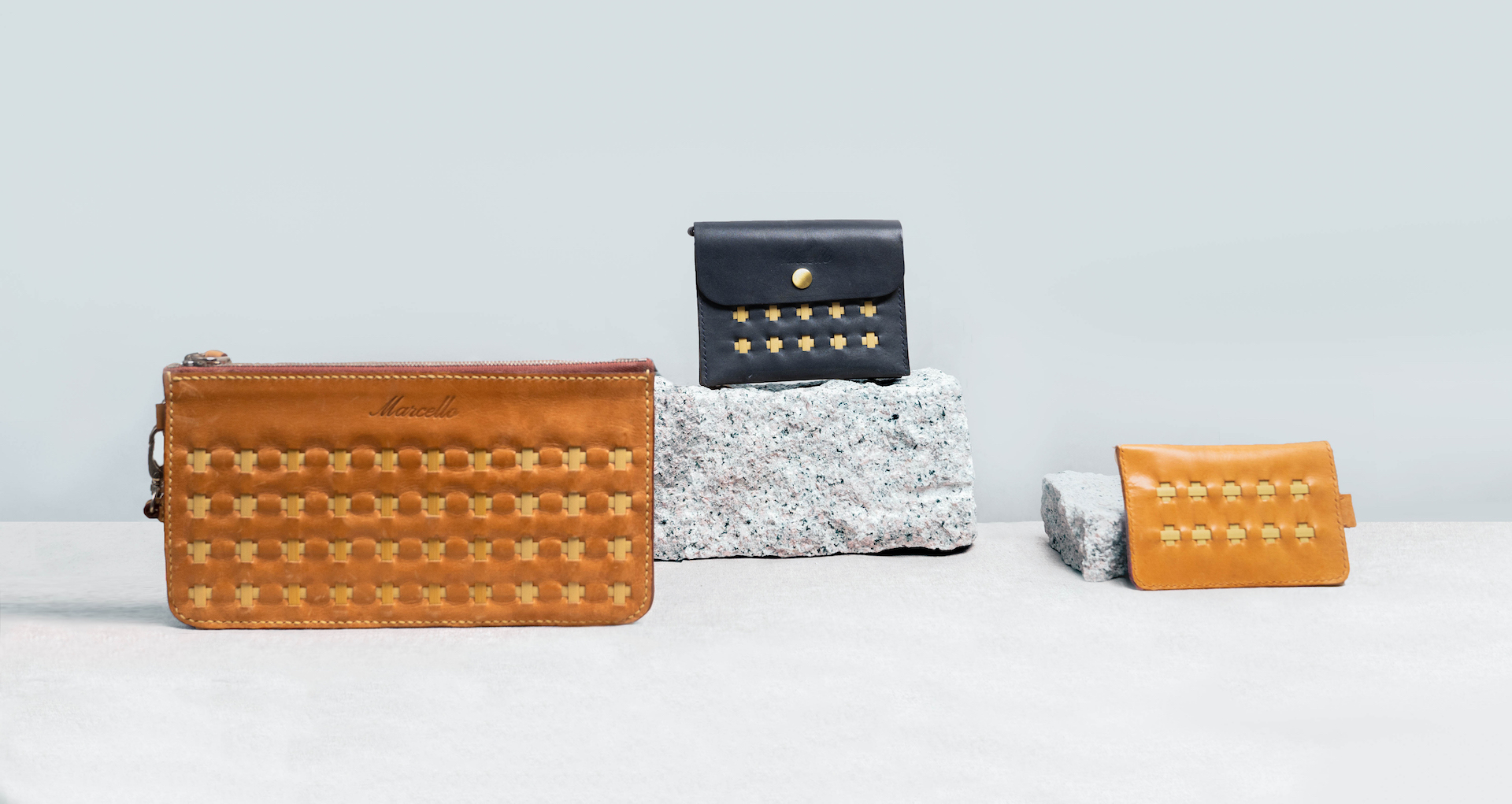
Marcello combines Taiwanese makino bamboo with European vegetable-tanned leather to create a bamboo-woven leather bag, allowing the structural support of bamboo and the warm feel of leather to complement each other.
"I think people who like natural materials are those who appreciate the changes that occur in natural materials as time goes on with use." Marcello was founded by Yang Hsin-yi, a music teacher who majored in cello. Before creating woven bamboo leather bags, she never imagined that vegetable-tanned leather would be a material that paired so harmoniously with bamboo.
She discovered that, just as leather gradually changes during use based on a person's skin temperature and oils, bamboo also responds to every human touch, accumulating over time a unique aesthetic and character that belong to the individual alone.
Like leather, bamboo develops its own unique style the more it is used. Vegetable-tanned leather is relatively rare in the East, while bamboo is rarely seen in the West. Thus, the bamboo-woven leather bag becomes a fusion of East and West, echoing the relationship between the founder and her husband, one from Taiwan and the other from the United States.
Bamboo is destined to solve the material dilemma of leather. Marcello chose vegetable tanning because it gets closer to natural materials like bamboo while maintaining the warm style of leather.
Drawing on the supportive nature of bamboo and the structural aesthetics of bamboo weaving, Marcello uses the square-weave technique to support the surface of vegetable-tanned leather, presenting the visual elements of bamboo and leather through an interweaving logic.
Vegetable-tanned leather is harder to stretch compared to fabric materials and instead tends to shrink and compress; however, Moso bamboo skin can provide structural support for vegetable-tanned leather, making the leather goods firm and rigid, so that every plaid pattern is neatly aligned.
"Actually, the incorporation of bamboo weaving has increased the durability of the leather bag, which is something we hadn't anticipated." Initially attracted by the aesthetic blend of Eastern and Western elements in bamboo and vegetable-tanned leather, Yang Hsin-yi learned practical techniques from a bamboo craft instructor. She unexpectedly discovered that the finished product could improve the functionality of leather goods, leading her to leave her job as a music teacher and dedicate herself to bamboo-woven leather goods design.
The first person has a hard time, but is an adventurer opening up the market. The combination of bamboo weaving and leather does not exist in the public consciousness; market education is difficult, but it also means that the bamboo-woven leather bag is an innovation.
Despite the difficulties in brand management and market education, Xinyi and her husband still believe that as long as they keep at it, they can let the public experience the aesthetic integration of East and West in bamboo-woven leather and open up market awareness.