

Puyuan Art
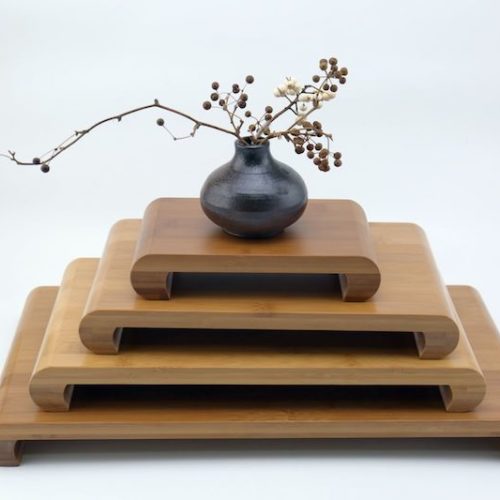
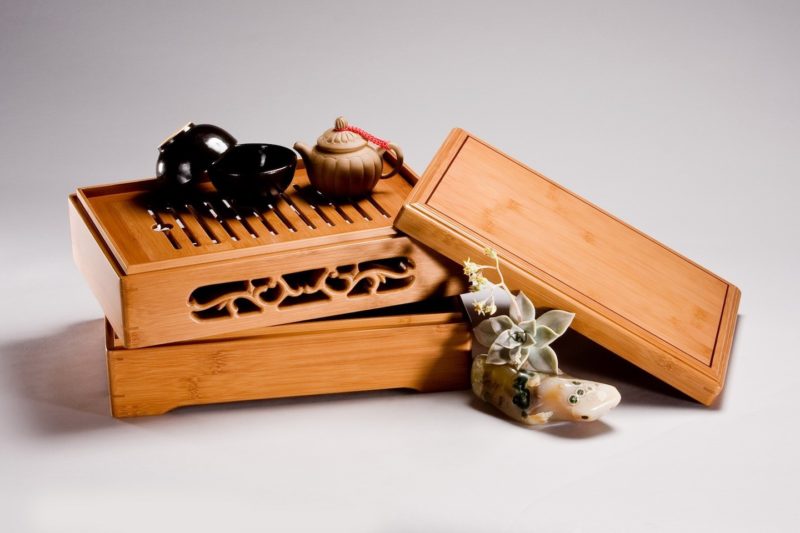
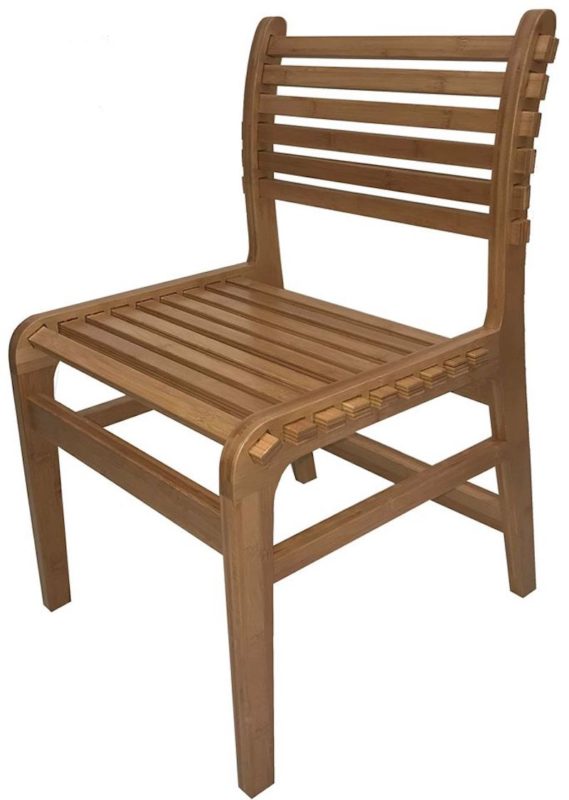
Puren Art Studio is currently Taiwan's most robust enterprise in the research and development of laminated bamboo technology. In its early days, it primarily focused on exporting Calcutta bamboo furniture, and later dedicated itself to developing laminated bamboo, transforming the material into diverse applications such as furniture, lifestyle goods, and electronic product casings.
Puyuan Arts and Crafts is currently Taiwan's most robust enterprise in the research and development of laminated bamboo technology. It was founded by Mr. Dai Zheng-you in 1979. In its early days, the company primarily focused on exporting Calcutta bamboo furniture. After 1999, it also began researching and developing laminated bamboo, becoming one of the bamboo enterprises that benefited from the release of Ang Lee's 2000 film *Crouching Tiger, Hidden Dragon*.
Founded in 1979, Puyuan Arts and Crafts initially focused on the export of Tonkin cane furniture. In the 1990s, founder Dai Zheng-You accidentally learned that a professor from the Department of Forestry at National Chung Hsing University wanted to apply particle board technology—originally used for wood dust—to bamboo, creating bamboo panels through lamination. Consequently, he established a factory and invested in the development of laminated bamboo.
Developed over 30 years, Lih Yuan Arts Workshop's laminated bamboo panels are used not only to make furniture and household goods, but also as casings for electronic products such as laptops. In recent years, Lih Yuan Arts Workshop has also begun developing bamboo charcoal products, making petrified wood, roots, and other unusual wood craft furniture, bamboo crafts, and bamboo charcoal the core focuses of the workshop's creation and product development.
Laminated bamboo is a type of engineered wood; it is a technology that processes bamboo from bamboo tubes into bamboo veneer and then glues them together to form plywood. Laminated bamboo mostly selects tall, straight bamboos with thick bamboo walls for production. After being laminated and glued, laminated bamboo boards are widely used in the production of furniture and handicrafts in Taiwan's bamboo industry.
Puyan Arts Studio, renowned for its Taiwan-based laminated bamboo technology research and development, predominantly utilizes tall, straight Mosong bamboo with thick bamboo walls to produce laminated bamboo materials. The round stalks of the Mosong bamboo are split into strips, sized to a uniform width and thickness, and then cut into neat rectangular pieces. After being assembled into panels, they are glued and hot-pressed into layers of bamboo boards.
Layering, gluing, and hot-pressing can increase thickness. Different thicknesses have various sheet applications, which can be made into various crafts and daily necessities. Laminated bamboo technology involves professional techniques such as bamboo species characteristics, adhesives, coatings, and plywood; since entering the field in 1999, Dai Zheng-You has successively studied at the Taiwan Handicraft Research Institute and learned from university forestry professors how to shape bamboo boards through high-frequency bending.