
KYOU Shizhu Creative
With dedication, doing simple things makes the extraordinary. KYOU Bamboo Craft departs from the bamboo factories of Zhushan, rekindling the emotional connection between bamboo materials and handcrafting, to create the irreplaceable value of new traditional bamboo art.
Have you ever wondered why Lukang, Changhua, which does not produce bamboo, had more than 50 bamboo fan factories between 1970 and 1990? In fact, the raw materials for these bamboo fans mostly came from Zhushan, Nantou. Tracing this back to Zhushan, Nantou, the core of the bamboo industry, may lead you to the predecessor of KYOU, a bamboo factory specializing in OEM fan ribs.
The current heir of this bamboo factory is named Chiu Ping-chang. He is the founder of KYOU (Shih Chu Creative), who hails from Zhushan and has returned to Zhushan.
Why is it called "KYOU"? "KYOU" is Taiwanese for "pick up." After all, I was raised by bamboo, and I want to pick back up the craftsmanship that sustained me.
In 1973, Zhushan Township in Nantou County established the Zhushan Bamboo and Wood Rural Processing Zone, and after 1976, it began promoting working capital and machinery loans for the bamboo industry. Against this backdrop of explosive industrial development in the bamboo sector, KYOU's predecessor, a bamboo factory, was founded by Bing-chang's father, starting out by making the ribs of bamboo fans.
Back in the 1970s, my dad and the others were already making fan ribs. We made the raw materials, mainly for export to Japan, with a small amount sold to Lukang. Actually, besides fan ribs, we later made incense sticks too.
Actually, it is difficult for bamboo factories to make a living relying on a single raw material part. Moreover, Taiwan's folk beliefs are flourishing, and the incense essential to local temples is also produced by bamboo factories in the form of incense stick cores (xiangjiaoliao). The roundness, thickness, and toughness of the incense stick core must meet the requirements for fragrance and burning longevity during the incense-making process.
Taking over the factory left by his father also resolved the dilemma of bamboo craft talent shortages. In 2010, Bing-chang returned home to care for his father due to his poor health, which allowed him to re-familiarize himself with bamboo as a creative medium. Around the time of his return, the National Taiwan Craft Research and Development Center happened to establish a bamboo craft seminar, which gave him the idea to transform the factory.
That's why we say it was like picking it up off the ground; we literally salvaged the factory. Transforming fan ribs into bamboo strips has a history of 20 to 30 years, and the factory began producing standardized bamboo strips, which different instructors then thin out or size according to their teaching needs.
Bamboo craft as a handicraft relies heavily on its materials. Since splitting bamboo is the most difficult part of bamboo craftsmanship, very few people are willing to learn it from the ground up. Therefore, through the production of bamboo strips, KYOU reduces the labor-intensive steps for artisans in teaching environments and resolves the raw material dilemma caused by the shortage of talent in bamboo splitting.
Combining fabric sample design with bamboo craft to help KYOU break free from the destiny of OEM manufacturing
KYOU is now more than just a factory producing fan ribs and bamboo strips; Ping-Chang previously worked as a full-time fabric pattern designer in Taipei, and these design experiences have also become KYOU's advantage in bamboo product design.
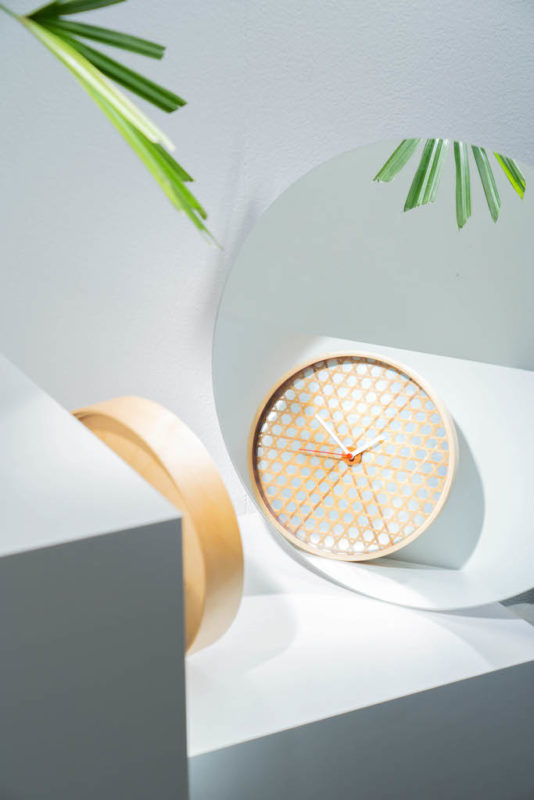
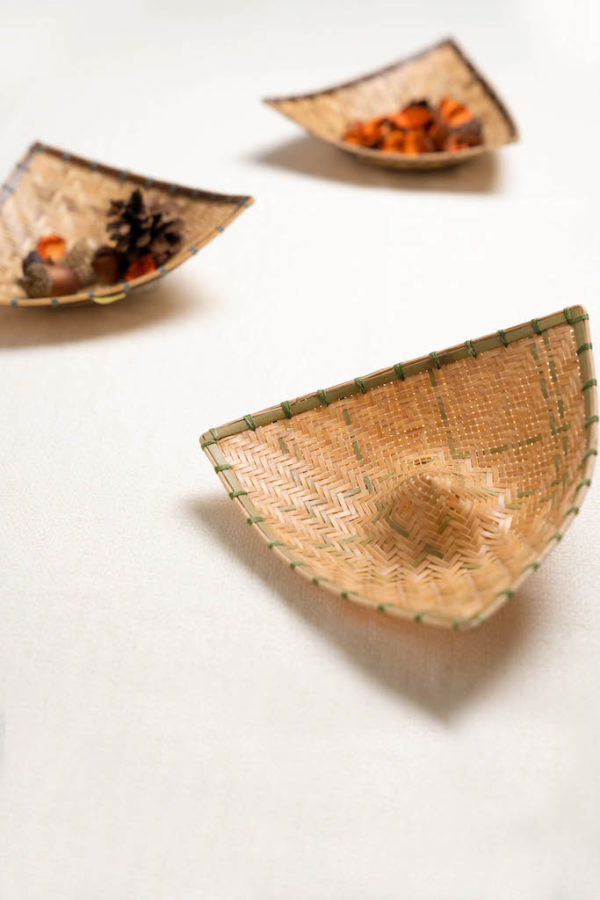
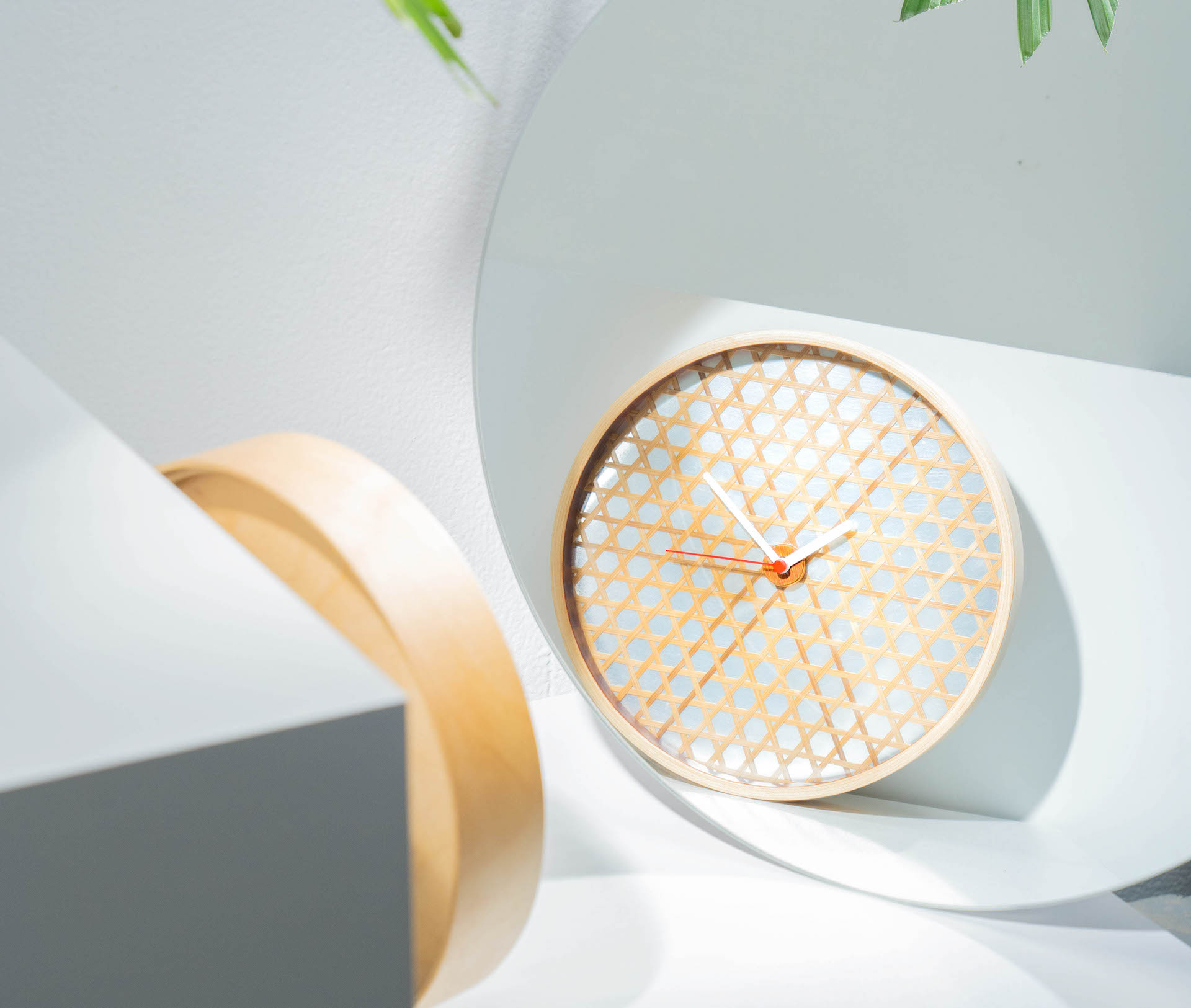
KYOU weaves washable kraft paper with bamboo strips using twill, herringbone, and grid weaving techniques, pairing the natural color of bamboo with the paper texture to create compact card holders and name card holders. It also combines former fan ribs with fabric design to launch paper fan bookmarks.
KYOU aspires to respect everyone involved in the production process as a master artisan; in reclaiming the factory, it is also reclaiming the dignity that belongs to this supply chain.